Articles & Advices
Discover our library of in-depth articles and valuable advice

Snow Tires vs. All-Season Tires: Which Is Best for Your Winter Driving Needs?
by Write
As the temperature drops and winter approaches, drivers face the perennial question: Should I invest in snow tires or stick with my all-season tires? Understanding the differences between these two types of tires is crucial for anyone who lives in regions where snow, ice, and cold temperatures are part of the seasonal norm. In this comprehensive guide, we'll delve into the nuances of snow tires versus all-season tires, explore how different drivetrains perform in winter conditions, and help you make an informed decision to enhance your safety on the road.

Effective Tips to Stop Condensation in Your Car
by Write
To keep condensation off your car’s windows, focus on controlling interior moisture. Use your air conditioning system regularly, ensure proper ventilation, address any leaks, and consider moisture-absorbing products. Seasonal adjustments, from clearing snow off mats in winter to employing recirculation modes in summer, also help maintain clear visibility and protect your interior.

Effective Tips to Eliminate Musty Odors from Your AC
by Write
Few experiences can be as unpleasant as starting your car on a warm day, turning on the AC, and being greeted by a moldy, musty odor wafting through the vents. Understanding why this happens is the first step toward effectively dealing with it. The primary culprit behind these odors is the presence of moisture and organic contaminants—like mold, mildew, and bacteria—within the AC’s evaporator case, ducts, and filters.
All articles

Is Your Car AC Blowing Hot Air? Here's How to Fix It Fast
by Write
Experiencing hot air blasting from your car’s air conditioning vents can be both frustrating and potentially unsafe, especially in higher temperatures. Beyond personal comfort, an effective climate control system helps maintain driver alertness and prevents heat-related fatigue. If your vehicle’s AC is blowing warm instead of cold air, it may be caused by anything from a clogged cabin air filter to a more complex mechanical or electrical issue. Understanding these problems, as well as knowing how to tackle basic troubleshooting, is essential to getting back on the road comfortably.

Does Your Car's AC Consume Fuel?
by Write
When outside temperatures reach uncomfortable levels—whether blazing hot or bitterly cold—one of the first things many drivers do is adjust the car’s climate control. Air conditioning can provide a cool refuge in summer traffic, while the heater keeps the chill at bay during a frigid morning commute.

Mastering Car Defrosters: A Step-by-Step Guide for Clear Windows
by Write
Car defrosters play a critical role in ensuring that drivers maintain a clear field of vision under challenging weather conditions. As temperatures drop or atmospheric moisture rises, the interaction between cold glass surfaces and humid cabin air often results in fogged or frosted windshields. Without proper visibility, even short trips can become hazardous. A functioning defroster is not only a convenience but a fundamental safety component during rainy spells, frigid winter mornings, or humid afternoons.

How Does Using AC Impact Your Gas Mileage?
by Write
Running the air conditioning in a car often feels like a lifesaver during hot summer commutes or when humidity fogs up the interior glass. This cooling convenience has become a near-standard feature in modern vehicles, ensuring comfort over long trips or during sweltering afternoons.

Warning Signs of a Failing AC Compressor
by Write
When you settle into the driver’s seat, you depend on a stable, comfortable cabin environment, regardless of outside weather conditions. A properly functioning air conditioning (A/C) system transforms your vehicle’s interior into a pleasant space, regulating temperature and humidity to ensure a more enjoyable and safer journey.

Why Does My Car's AC Have a Bad Odor?
by Write
When you turn on your car’s air conditioning to escape a blazing summer day or a humid environment, the last thing you want is a wave of unpleasant odors hitting your senses. Yet this scenario is all too familiar to many drivers: a musty, sour, or even strangely sweet smell emanating from the vents. Unpleasant odors do more than make a drive uncomfortable. They often indicate underlying issues that could affect your health, your car’s performance, and its overall longevity.

AC Replacement Costs: What You Need to Know
by Write
Maintaining a comfortable climate inside your vehicle is essential regardless of external temperatures. A properly functioning car air conditioning (AC) system ensures that interior conditions remain stable, enhancing both comfort and safety.

ECT Sensor Explained: What It Is and How It Works
by Write
An Engine Coolant Temperature (ECT) sensor, sometimes referred to as a coolant temperature sensor or engine temperature sensor, monitors how hot or cold the engine’s coolant is at any given moment. This component is generally a small, threaded sensor that screws directly into the cooling system housing, most often into or near the thermostat housing, the cylinder head, or a water passage. Its core purpose is to convey accurate temperature data to the vehicle’s electronic control unit (ECU), which then makes ongoing adjustments to maintain stable engine operation.
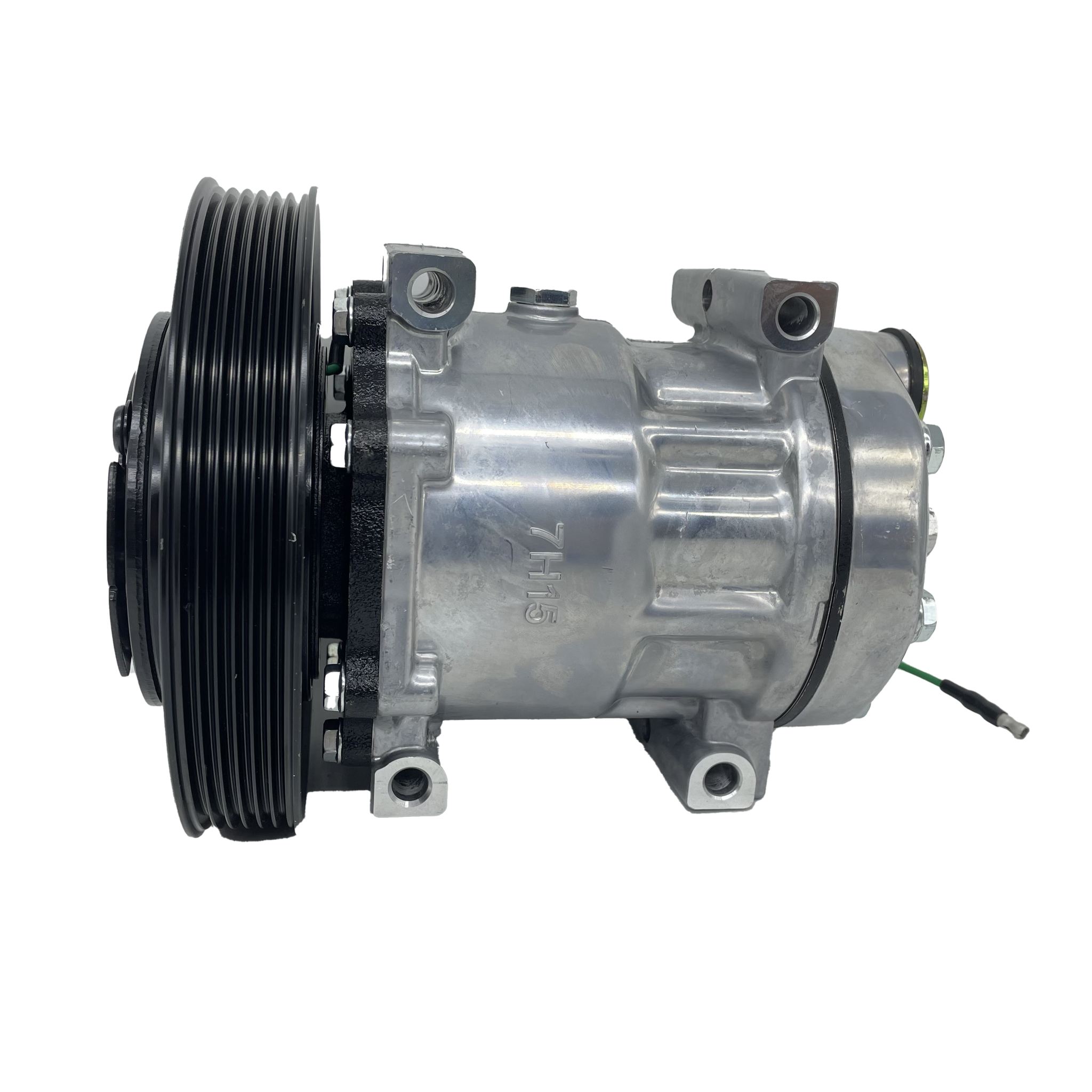
AC Compressor Replacement Cost: What to Expect and Budget For
by Write
The air conditioning compressor stands as one of the central components within your car’s climate control system. This small yet powerful device transforms low-pressure refrigerant gas into a high-pressure state, enabling it to circulate through the system’s condenser, evaporator, and associated components.